

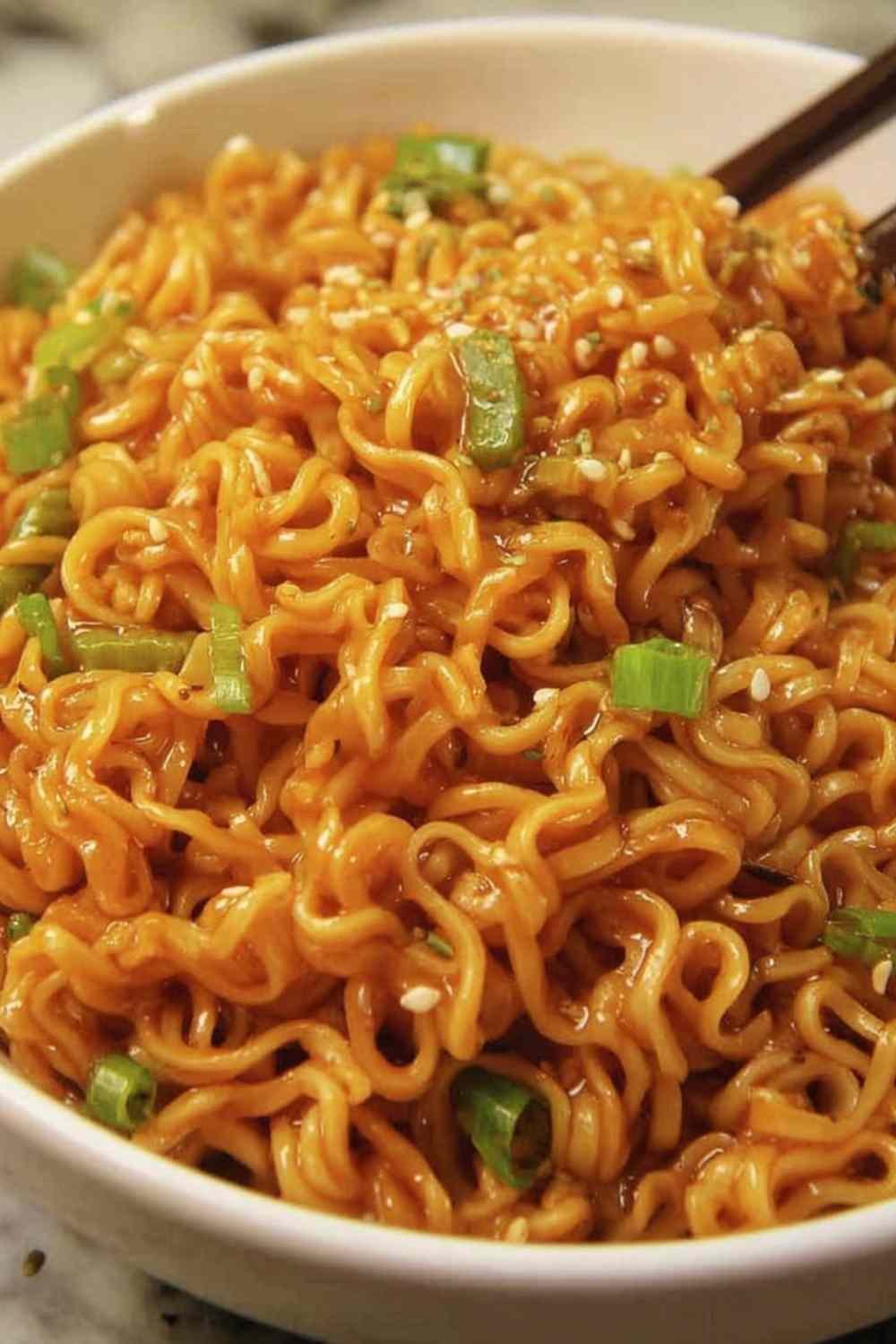
High Protein Vegan Ramen Noodles are the kind of bowl that silences every doubt about plant-based eating being boring or unsatisfying. Crispy tofu, chewy ramen noodles, edamame, and a thick glossy peanut soy sauce come together in one deeply savory dish that genuinely tastes restaurant-worthy. I started making this when I needed a vegan dinner that actually kept me full, and it has become one of the most requested recipes I make.
There is a specific moment in this recipe when the sauce thickens in the pan and the whole kitchen starts to smell incredible. The tofu gets golden on the outside, the noodles absorb all that bold tangy sauce, and the edamame adds a satisfying pop of texture in every bite. These high protein vegan ramen noodles deliver around 25 grams of plant-based protein per serving without any compromise on flavor.
Trust me on this one!
Table of Contents
Ingredients for High Protein Vegan Ramen Noodles
This recipe comes together with pantry staples and a few fresh items that make a real difference. I always press tofu for the full 15 minutes before cooking because skipping that step is the single most common reason tofu turns soft instead of crispy.
For the Bowl:
- 140 g dry instant ramen noodle cakes (about 2 servings, discard the seasoning packets)
- 10 oz extra firm tofu (pressed for 15 minutes and cut into bite-sized cubes) – I recommend pressing with a heavy cast iron pan for the most moisture removal and crispiest result
- 1 cup edamame (shelled)
- 2 tbsp nutritional yeast (stirred in at the end, off heat)
- 2 tbsp hemp hearts (for topping)
- 2 tbsp cooking oil (avocado or vegetable oil)
- 1 to 2 cups sliced vegetables or mushrooms of choice – my preference is shiitake mushrooms for their deep umami flavor
For the Sauce:
- 1 cup vegetable broth or water
- 5 to 7 tbsp soy sauce (adjust to taste) – in my experience starting with 5 tbsp and tasting before adding more gives you better control over saltiness
- 1 and 1/2 tsp dark soy sauce (optional, for deeper color)
- 2 tbsp cornstarch (add 1 extra tablespoon if you want a thicker coating)
- 2 to 3 tbsp maple syrup or sugar
- 2 tbsp peanut butter or tahini
- 2 tbsp rice vinegar or lemon juice
- 1/4 tsp ground black pepper
- 1/2 tbsp chili garlic sauce (optional, for heat)
- 1 tbsp sesame oil
- 3 cloves garlic (minced)
Toppings:
- Chopped scallions
- Sesame seeds
- Roasted peanuts or cashews (chopped) – I usually add a generous handful because the crunch makes a real difference in the finished bowl
Step-by-Step Instructions
I recommend reading through all the steps before you start since this recipe has a few components running in parallel. Staying organized is what makes these high protein vegan ramen noodles come together smoothly in about 40 minutes total.
Step 1: Press the tofu first, before anything else. Lay it between paper towels or a clean kitchen towel and place something heavy on top like a cast iron pan. Press for 15 minutes. After pressing, cut into bite-sized cubes. Do not skip this step or the tofu will steam instead of crisping in the pan.
Step 2: While the tofu presses, whisk all sauce ingredients together in a small bowl: vegetable broth, soy sauce, dark soy sauce, cornstarch, maple syrup, peanut butter, rice vinegar, black pepper, chili garlic sauce, sesame oil, and minced garlic. Whisk vigorously until the peanut butter is fully dissolved and no cornstarch clumps remain. If the peanut butter resists blending, microwave the sauce for 15 seconds to loosen it, then whisk again. Set aside.
Step 3: Bring a pot of water to a full boil over high heat. Add the ramen noodles and edamame together and cook for only 1 to 2 minutes. The noodles should be bendable but still firm and almost undercooked in the center. This is intentional. Noodles that are fully cooked at this stage will turn mushy when they finish in the sauce.
Step 4: Drain the noodles and edamame and run them briefly under cold water to stop the cooking and rinse off excess starch. Set aside.
Step 5: While the noodles boil, heat oil in a large pan or wok over medium-high heat. Add tofu cubes in a single layer and cook undisturbed for 3 to 4 minutes per side until golden and crispy on all sides, about 8 to 10 minutes total. The tofu will stick at first but releases naturally once it develops a crust. Remove and set aside.
Step 6: In the same pan with the remaining oil, add your sliced vegetables or mushrooms. Sauté for 3 to 4 minutes until tender-crisp.
Step 7: Give the sauce one more whisk to redistribute the cornstarch, then pour it into the pan with the vegetables. Simmer over medium heat for 2 to 3 minutes, stirring constantly, until the sauce thickens and turns glossy. It is ready when it coats the back of a spoon.
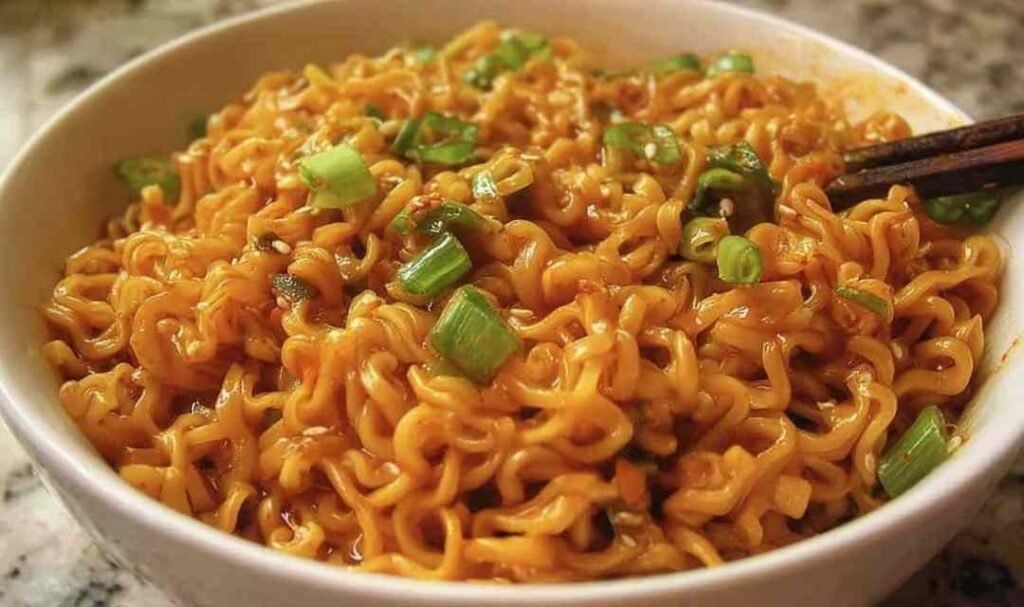
Step 8: Add the drained noodles, edamame, and crispy tofu to the pan. Toss everything together using tongs or two spatulas. Cook over medium-high heat for about 3 minutes, tossing frequently, until the noodles absorb some of the sauce and it clings thickly to everything.
Step 9: Remove from heat and stir in the nutritional yeast. Taste and adjust with more soy sauce, sweetener, or vinegar as needed. Serve immediately topped with hemp hearts, sesame seeds, chopped peanuts, and scallions.
Perfect Pairings for High Protein Vegan Ramen Noodles
The bold, rich flavors in this bowl pair best with sides that are light, cool, or simply textured to balance the peanut soy sauce.
Miso Soup: A warm, light miso broth served alongside adds gentle umami depth without competing with the ramen. It is a classic pairing that makes the meal feel complete and comforting, especially on colder evenings.
Cucumber Sesame Salad: Thinly sliced cucumber dressed with rice vinegar, sesame oil, and a pinch of sugar is a cool, refreshing contrast to the warm, thick noodle bowl. The acidity cuts through the peanut butter base in the sauce beautifully.
Steamed Edamame with Sea Salt: Simple steamed edamame served as a starter adds more plant-based protein and gives something light to snack on while the noodles finish cooking. Minimal effort with a satisfying payoff.
Vegetable Spring Rolls: Crispy baked or air-fried spring rolls filled with shredded cabbage and carrots add a neutral crunch that lets the ramen sauce stay front and center. A great option for turning this into a fuller spread.
Asian Slaw: A crisp slaw made with shredded cabbage, carrots, and a light sesame ginger dressing adds freshness and crunch that contrasts the soft, saucy noodles. It rounds out the nutrition and adds extra vegetables to the meal.
How to Store and Serve High Protein Vegan Ramen Noodles
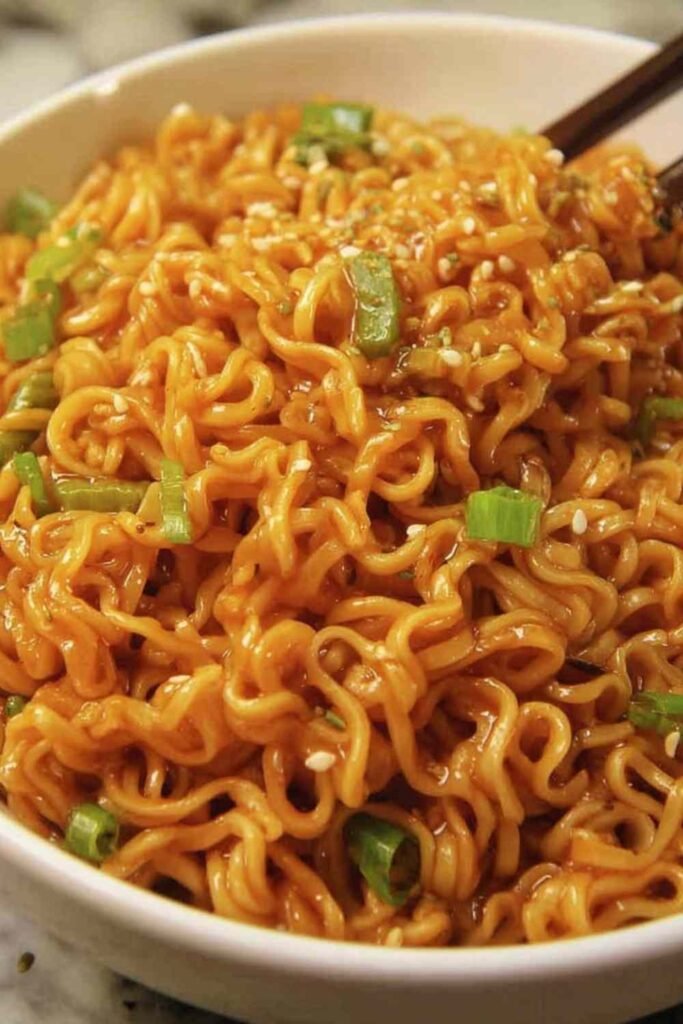
Store leftover noodles in an airtight container in the refrigerator for up to 3 days. Keep the toppings like scallions, peanuts, and sesame seeds separate so they stay crisp. The noodles will absorb more sauce as they sit, which deepens the flavor but makes the texture thicker.
To reheat, add the noodles to a skillet over medium heat with a splash of water or vegetable broth to loosen them up. Stir frequently for 2 to 3 minutes until warmed through. Pro tip: stovetop reheating keeps the tofu from going completely soft, which the microwave tends to do. The texture comes back much better in the pan.
I recommend serving this bowl immediately after cooking for the best experience. The sauce is at its glossiest and the tofu at its crispiest straight out of the pan. Add all toppings fresh just before eating for maximum crunch and visual appeal.
FAQs
Can I make this recipe gluten-free?
Yes. Swap the soy sauce for tamari or coconut aminos and use gluten-free rice noodles in place of the instant ramen cakes. All other ingredients are naturally gluten-free. Check your chili garlic sauce label as well since some brands contain gluten-containing additives.
Why do I need to undercook the noodles at the boiling stage?
The noodles finish cooking during the final tossing step in the hot sauce. Cooking them fully first means they will be soft and mushy by the time they hit the plate. Pulling them out at 1 to 2 minutes keeps them chewy and helps them hold up when tossed in the thickened sauce.
Can I use a different protein instead of tofu?
Yes. Tempeh is a great swap with a slightly nuttier, firmer texture. For a non-vegan version, thinly sliced chicken breast or shrimp also work well. Cook the protein through before adding the vegetables and follow the same sauce and assembly steps from there.
Conclusion
These high protein vegan ramen noodles prove that plant-based cooking can be bold, filling, and genuinely exciting to make. The sauce is rich and glossy, the tofu is crispy, and the whole bowl comes together in 40 minutes. Give this recipe a try and see why it keeps coming back to the dinner table. Every savory, saucy bite is worth it.
High Protein Vegan Ramen Noodles
Ingredients
Equipment
Method
- Press tofu for 15 minutes between paper towels with something heavy on top. After pressing, cut into bite-sized cubes. Do not skip this step.
- While tofu presses, whisk all sauce ingredients together in a small bowl until peanut butter is fully dissolved and no cornstarch clumps remain. If needed, microwave for 15 seconds to loosen peanut butter, then whisk again. Set aside.
- Bring a pot of water to a full boil over high heat. Add ramen noodles and edamame together and cook for only 1 to 2 minutes. Noodles should be bendable but still firm in the center.
- Drain noodles and edamame and run briefly under cold water to stop cooking and remove excess starch. Set aside.
- While noodles boil, heat oil in a large pan or wok over medium-high heat. Add tofu in a single layer and cook undisturbed for 3 to 4 minutes per side until golden and crispy on all sides, about 8 to 10 minutes total. Remove and set aside.
- In the same pan with remaining oil, add sliced vegetables or mushrooms. Saute for 3 to 4 minutes until tender-crisp.
- Whisk the sauce once more to redistribute cornstarch, then pour into the pan with vegetables. Simmer over medium heat for 2 to 3 minutes, stirring constantly, until sauce thickens and turns glossy and coats the back of a spoon.
- Add drained noodles, edamame, and crispy tofu to the pan. Toss with tongs over medium-high heat for about 3 minutes until noodles absorb some sauce and it clings thickly to everything.
- Remove from heat and stir in nutritional yeast. Taste and adjust with more soy sauce, sweetener, or vinegar as needed. Serve immediately topped with hemp hearts, sesame seeds, chopped peanuts, and scallions.